
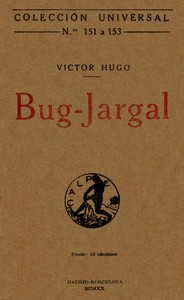
Bug-Jargal by Victor Hugo
Okay, I’m going to be honest: I picked up *Bug-Jargal* because I wanted to read something early and obscure by Victor Hugo. But I wasn’t ready for how intense this short novel is. It’s basically a forbidden love story with a kidnapped woman, a noble slave, and a tragic rebel leader—all set in a slave uprising in Haiti during the 1790s. Sound heavy? It is. But it’s also fast-paced like a thriller, because Hugo was young and poured all his pent-up drama into this thing.
The Story
A French soldier named Léopold d’Auverney tells this wild scrap of memory: years ago in Haiti, he helped his friend—a French plantation owner—rescue his wife Marie from a huge rebel attack. But Marie has a dangerous past—she has a secret bond with a rebel slave named Bug-Jargal (called “Pierrot” earlier), who let her escape the massacre for mysterious reasons. Meanwhile, things get political, cruel, and twisty as Buonaparte’s politics ruin everything for everyone, and the rebellious noble slave must pick a team: his oppressors, his redeemed friend, or his own people? There’s floods, betrayals, a loyal giant, and a duel that goes sideways.
Why You Should Read It
Three quick reasons: first, Hugo isn’t here to pat colonialism on the back. Even while writing from a French perspective, the story gives deep humanity to the enslaved characters—especially the brilliant, wronged name character Bug-Jargal—and shows the nasty, violent reality of slavery without fingers in ears. Second, the prose? Lean, raw, exciting—no seventeen-page essays on sewers yet. Third, the book uses every dramatic trick in the house: letters, shipwrecks, sword fights, and a nose-honkingly tragic ending long before any of sad-ass pop culture stole it. The themes of white panic, revolution ethics, and love sweeping away politics still nail you in the chest today.
Final Verdict
Honestly? If you love slave revolt stories—or historical adventure mixed with soul-tearing romance—*Bug-Jargal* is a lost gem. It ages badly in a few places: suddenly a character cries “perfect virtues” every time a white saint speaks, and some plot points stretch long grain into taffy. But Hugo’s punk-rock heart is buried here, beating loud about freedom, screwed power dynamics, and people forced to evil by bad systems. Pick it up if you appreciated *The Deeper* reading vibe of Haitian rebellion, or if you just want to see where Hugo got his fire before he built cathedrals and draggable closets on it.
This content is free to share and distribute. It is available for public use and education.
John Garcia
6 months agoI found the author's tone to be very professional yet accessible, the inclusion of diverse viewpoints strengthens the overall narrative. A solid investment for anyone's personal development.









Matthew Moore
1 year agoGreat value and very well written.