
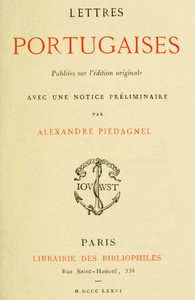
Lettres portugaises by vicomte de Gabriel Joseph de Lavergne Guilleragues
Ever pick up a book that feels like reading someone's diary—and maybe a little bit illegal? That's Lettres portugaises. It's a short, red-hot set of letters from a nun named Mariana to her lover, a guy who straight-up left her. And just when you think it can't get better, the drama gets even more pulpy: rumor has it some French dude just made the whole thing up for kicks. But real or not, these letters hit hard.
The Story
Here's the deal: Mariana falls hard for a French man who stays in her convent for a minute, then dips back to France. She's left with nothing but a torch cell phone signal and a one-way pen relationship. Her letters are a whirlwind of sadness, sarcasm, and raw-ladies-only pathetic-ness. She goes from 'I love you, come back' to 'I hate you, but I'm still making you cinnamon rolls—metaphorically.' The whole book is just her emotional spiral recorded on paper. It's kind of stunning to watch her hate herself with such grace.
Why You Should Read It
Mariana didn't have a choice. And that's the scariest part. She writes because she's literally alone, and her only validation comes from a man who doesn’t have to answer her calls. This book is obsessed with that raw moment of 'what do I even say next?' And for then, that's super rare. Guys back then usually wrote about war or God. Guilleragues (if it was him) flipped the script and gave voice to a sad, obsessed, actually realistic woman. Reading this now feels like reading a modern raw text thread but with dusty vocab and serious side-eye. It's comforting to know heartbreak never really changes. Plus, it introduces thinkers where black ink was still thirsty—mad, mad Italian-influenced sad girl energy from Portugal.
Final Verdict
Who this is for: Perfect for history lovers who secretly like a good romance letdown, or for anyone wanting a quick, spicy read that feels less like homework and more like gossiping with a trapped, dramatic friend. Don't skip if you've loved feminist over analysts Jean Rhys or contemporary panic Mary rue novels.
Bottom beer? That set goes down smashable—don't skip the afterword in some editions, because gee-ist does the back-story get twisty.
This publication is available for unrestricted use. Feel free to use it for personal or commercial purposes.



Robert Hernandez
5 months agoRight from the opening paragraph, the author doesn't just scratch the surface but goes into meaningful detail. A rare gem in a sea of mediocre content.