
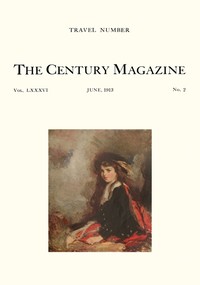
The Century Illustrated Monthly Magazine (June 1913) by Various
Let me be honest: when I spotted a 1913 magazine gathering dust in my favorite used bookstore, I thought it would be a dry history textbook. Boy, was I wrong. This June issue of The Century Illustrated Monthly Magazine is less a museum piece and more a chatty, opinionated friend from the past.
The Story
Think of this not as one book but a whole collection of conversations people were having a hundred years ago. One part is a travel series dragging you into the thick of the African jungle. Another part is a long feud—a real-world drama—over whether factories made art dead. There’s even a serialized novel, romantic poems, and a wise editor scolding the nation about speeding cars and loud trains ruining quiet lives. But the big scene is an essay basically begging everyone: “Chill out, because war is almost unfathomable.” Spoiler: they were wrong about that last part.
Why You Should Read It
Honestly? Because it makes you feel like Sherlock Holmes staring at clues from everyday life. You’ll see that grannies a century ago feared kids using “this new technology.” Words like “radio” and “lient electric” were scary huge breakthroughs. I personally sat stunned reading an article about “psychic photographs”—literally ghosts in family photos believed to be real. Plus, the ads are pure entertainment. Have fun reading warnings women got against riding a bicycle without a chaperone. Every nasty debate we have today (arguments about screen time, worries about AI stealing jobs) has an ancestor in these pages. You’ll catch yourself nodding and saying, “Yup, same old story, different name.”
Final Verdict
Give yourself permission to shelve the strict timeline-for-study expectation. This is basically a time-capsule vibe check. Great for history buffs who are bored of textbooks, writers needing creative fuel, fans of old-timey photography, or anyone who enjoys feeling slightly smarter at dinner parties. That said, skip it if you front-load your reading list and always finish books—since it’s a magazine (about 200 pages), jumping around is allowed! Who knows? You may even spot your own grandparents’ era in these faded, fragile words. I bet you’ll crack a smile, either way.
This title is part of the public domain archive. It is now common property for all to enjoy.
David Miller
5 months agoThe author provides a very nuanced critique of current methodologies.



Thomas Lee
4 months agoInitially, I was looking for a specific answer, but the structural organization allows for quick referencing of key points. A mandatory read for anyone in this industry.